


This is the fifth part of the Virtue series,
if you missed the beginning you can catch up here.
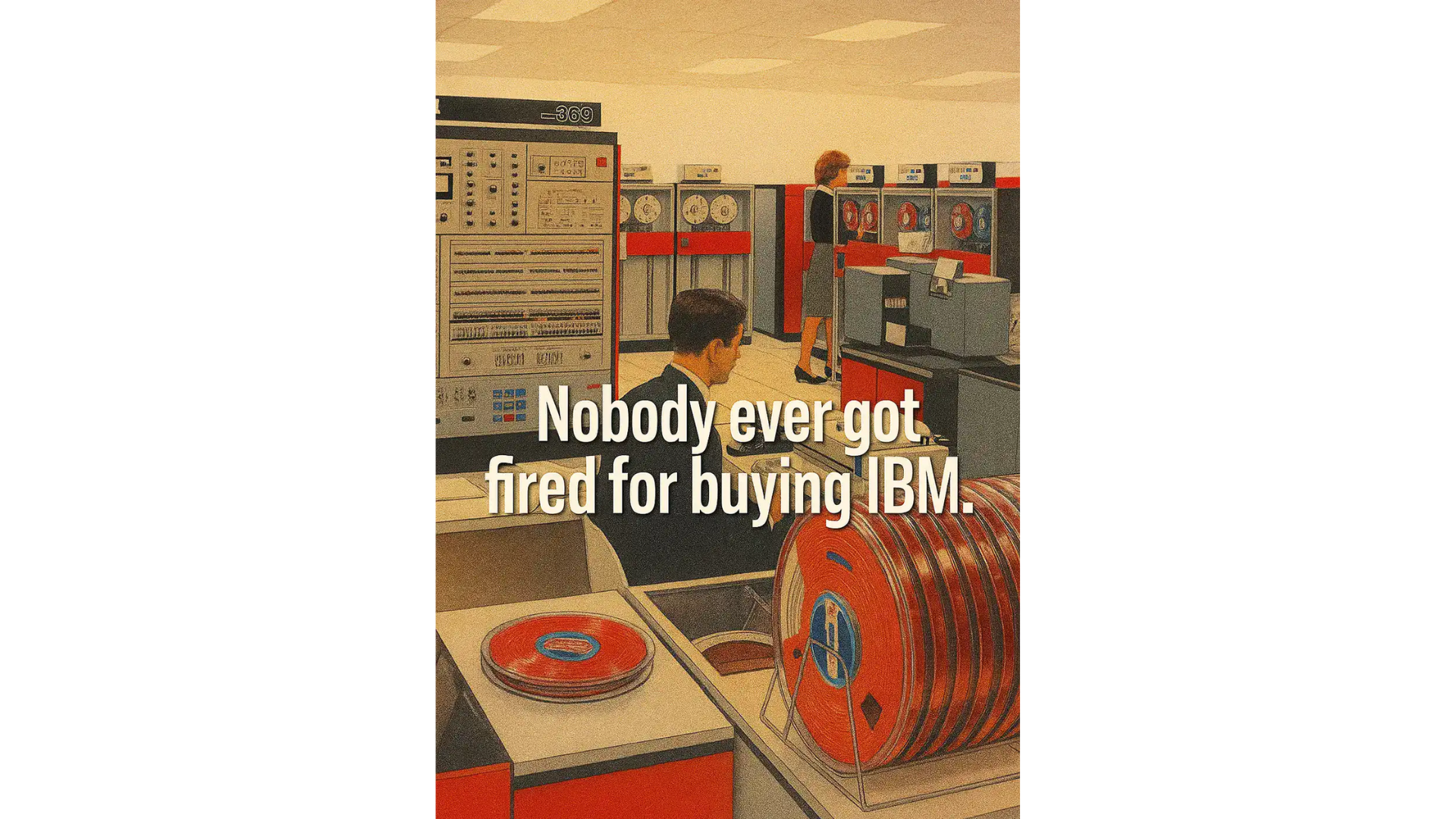
I spent the better part of my Sunday this week going down the rabbit hole trying to figure out who first said, “Nobody ever got fired for buying IBM”.
It led me back to the 1970s mainframe era, when IBM so thoroughly owned the computer market that the trade press nicknamed them Snow White and their seven flailing rivals the Seven Dwarfs.
It was roughly around the same time that the engineer Gene Amdahl walked out of IBM and built a competitive mainframe that was faster and cheaper only to see buyer after buyer stick with IBM anyway.
Amdahl eventually coined the term FUD for the hidden force he kept losing to: the fear, uncertainty, and doubt an IBM salesman could plant with nothing more than a raised eyebrow and the two most dangerous words of all: “brave choice.”
I never did find out who said it first. But I came back with something better: the origin of the airtight alibi for the unbrave.
Bravery Needs An Enemy
Which brings me to bravery itself, the virtue the IBM alibi is built to dodge. And for that, I once again turn to Nietzsche who wrote about Tapferkeit, the kind of bravery found in the soldier’s sword turned sharply towards an enemy.
He goes on to argue that bravery can’t ever exist until there’s an enemy standing right in front of you. The enemy might be a person, or a situation, or even an ideology, but it must exist, and even more importantly it must be able to hurt you. Without an enemy, bravery is simply shadow-boxing. You get to practice your footwork but your shadow never punches back.
Which makes our IBM buyer the patron saint of the unbrave. He’s made his enemy the decision that could go pearshaped with his name all over it, and he pays IBM good money to never once look it in the eye.
To see how this works, let’s run the dinner party test from our first issue. Stand up while the starters are being passed around, and announce, “I’m working on being braver and really stepping out of my comfort zone this year.”
You’d likely get some version of a “You go, girl!!!” paired with some fist bumps and devils on horseback.
Now try Nietzsche’s version: “I have an enemy.”
You’d definitely get a very long silence before someone asked you to pass the olives with a side-eye.
And yet, once again, this unsayable pass the olives version, is the only version that operates as a virtue, because it’s something you’d only ever say to yourself.
The Purchase Mechanics
As we’ve gone along in this series, we’ve sharpened each virtue into a private sentence the buyer repeats to themselves on their drive home, so the money they’ve already spent feels like it was the best decision in the world.
Picture each of these sentences as a small medal the buyer pins on their own chest where no one else can see them. Insight’s medal reads I saw what others missed, while Honesty’s says I admit what others won’t and Sympathy’s got I recognise my own kind.
Now Bravery gets: I stood against my enemy.
It can be heard, if you listen very carefully, in what the accountant on a Harley whispers to herself as she rides off the dealer’s lot on her new hog, “life is short, you have to get out there and actually live it”.
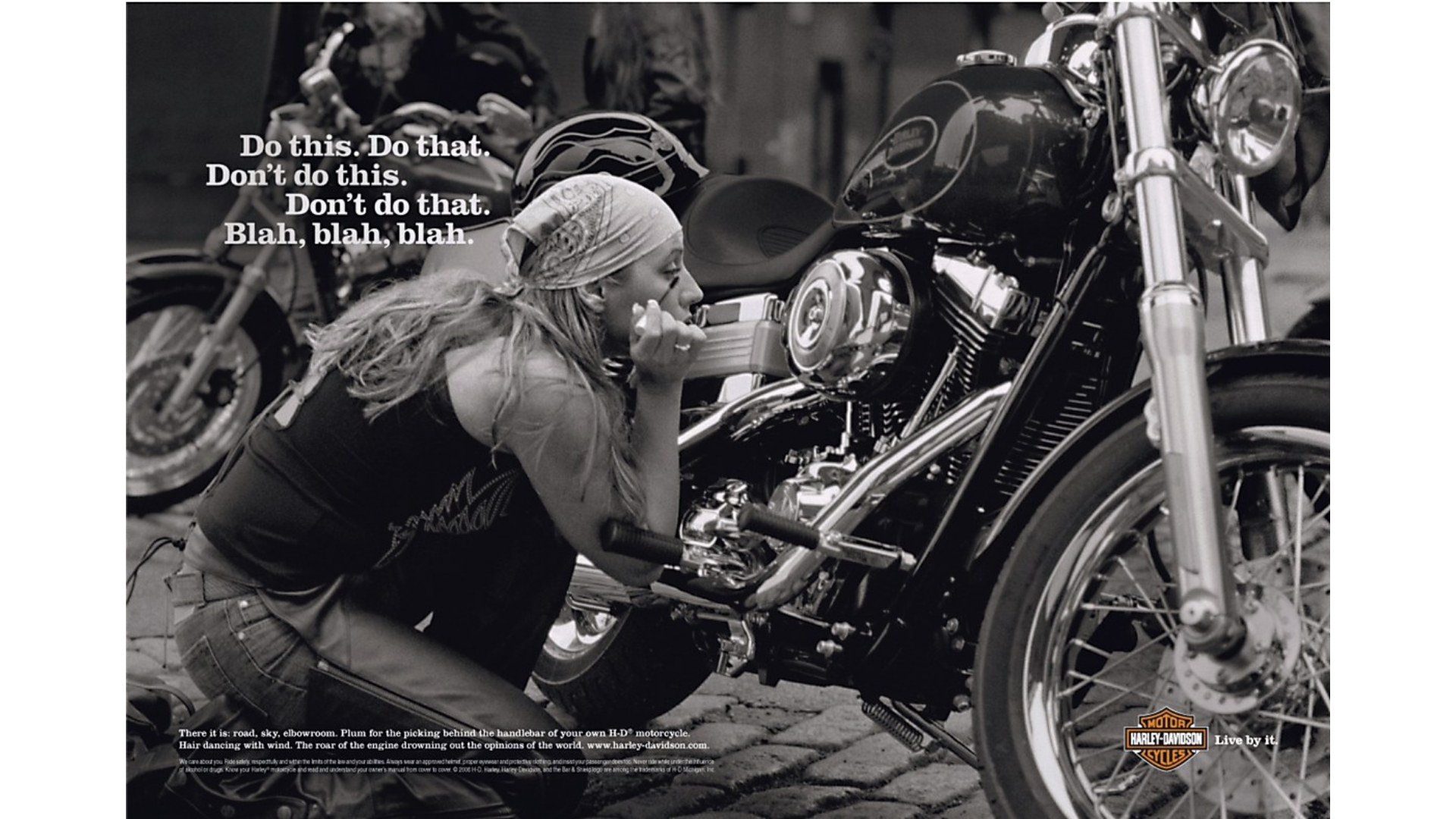
The implied enemy in that whisper is the ledger, or the cube farm, or even tax day itself, and while the Harley doesn’t actually defeat any of them it does permit our accountant to tell herself she’s the sort of gal who’ going to do exactly that every Sunday as she heads out for a ride.
The “I stood against my enemy” alibi can pay for all sorts of things like the Krav Maga Self Defense class or the Land Rover Defender with 900 millimetres of wading depth purchased to conquer the tundra.
But the mugger doesn’t have to ever arrive and neither does winter, for that matter.
In fact, it may be better if they don’t.
The Villain on Retainer
Left alone, buyers will likely find their own enemy, the way our accountant on the Harley found hers. But brands have been known to save them the trouble.
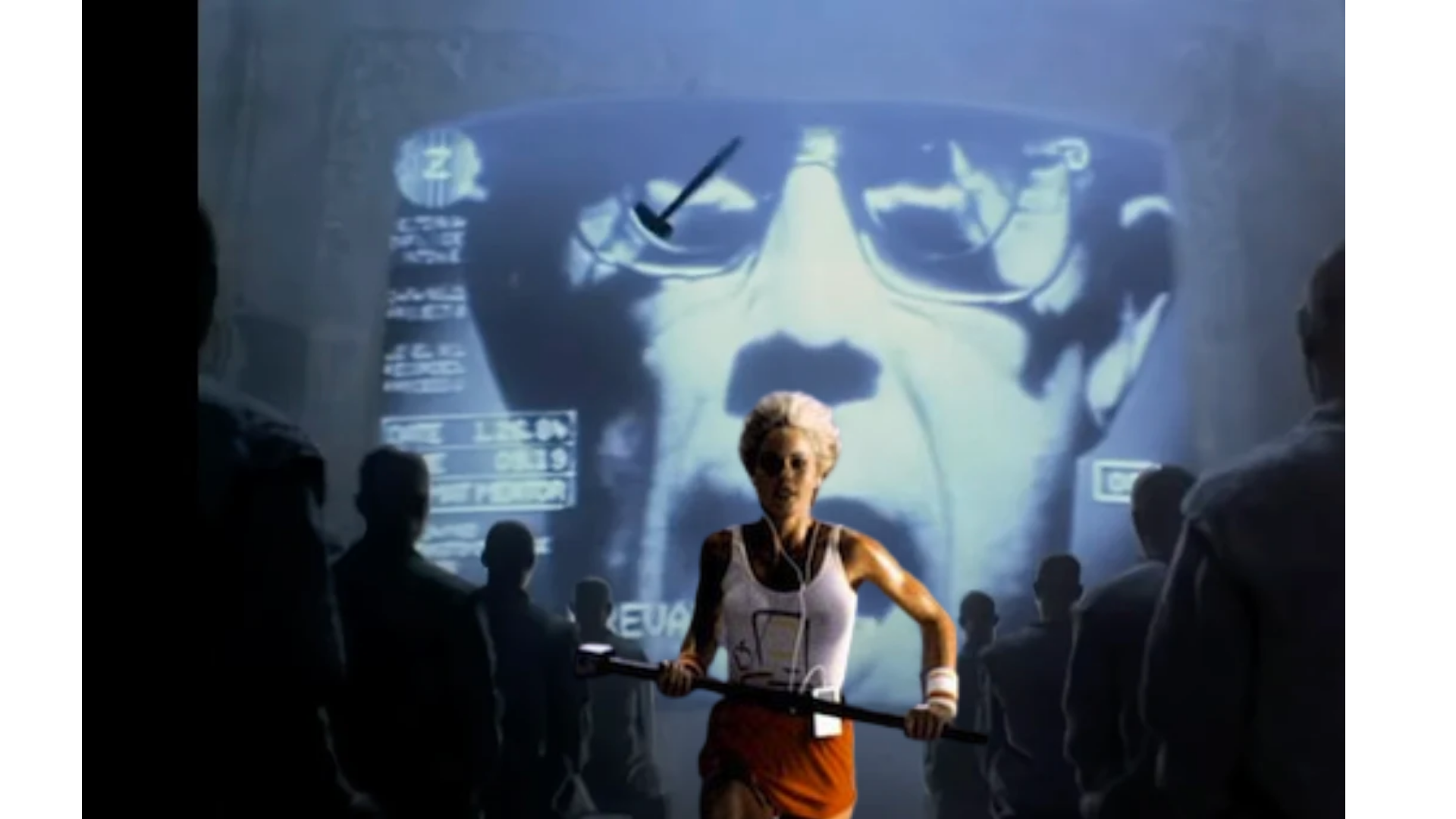
Apple had Big Brother. Avis had Hertz.
Craft beer’s been fighting the corporate creators of the Wassup?! Bud Guys since approximately forever, and challenger banks (and the Crypto crew) have all the banks that are too big to fail.
If you decide to put a villain on retainer, the thing to remember is they can never actually be dangerous. Big Brother goes down with a single hammer and Hertz has been losing to Avis for sixty years without landing a blow. They’re there to be faced and not fought, so your customer can square up and walk out a veteran of a war that was never on. Make the fight genuinely dangerous and he’ll retreat to whatever the IBM of your category is. Nobody, after all, ever got fired for that.
Even then, you can only go so far. The enemy belongs to the brand, but the bravery belongs to the buyer. You can hand him the villain, but you can’t tell him that buying your thing makes him brave. That line has to come later, at the till, in his own voice: somebody has to stand up to them, and today it’s me.
This is also why I wouldn’t put Just Do It here, tempting though it is.
There’s nobody else in that sentence.
Just you, standing around in your trainers, apparently refusing to go for a run.
Nietzsche had another word for that and we’ll cover it in the next edition.
A Small Confession
I tell myself that I show up in The Ring every morning at 6am because I’m the sort of person who doesn’t run away.
The Burf, the guy I train with, has been training professional boxers for the better part of 38 years, and when we spar I spend most of my time trying to work out how to get in on him. Occasionally my feet and my brain cooperate and I actually manage it.
The trouble is that The Burf tends to respond with a lightning fast right hook, at which point I do exactly the thing I’ve spent years telling myself I don’t do.
I flinch and back away.
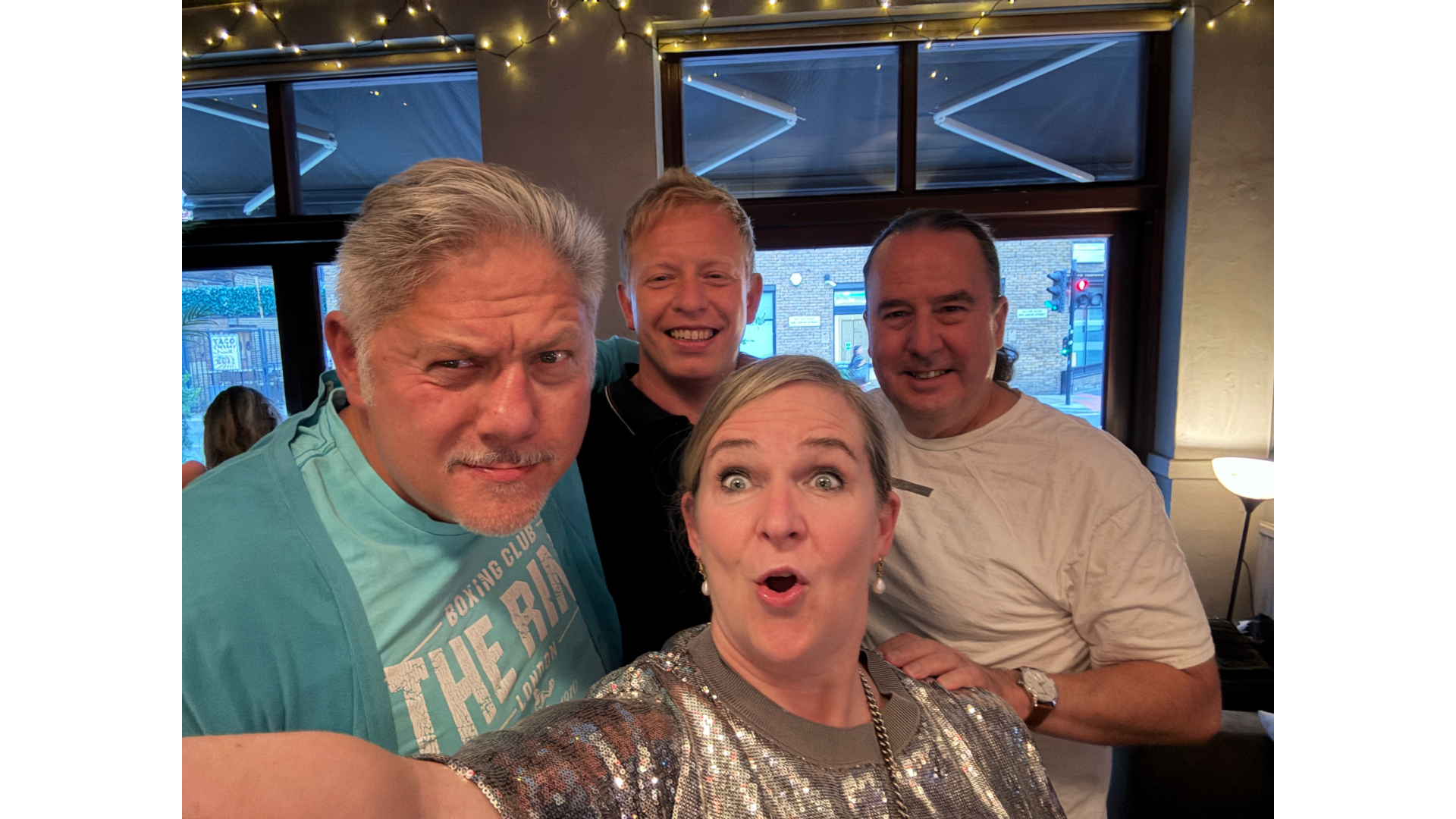
Apparently this has had no effect whatsoever on the story I tell myself afterwards.
That’s the virtue of Bravery.
Angelique
Next time: The Virtue of Courage, the inward twin of Bravery, that needs no enemy and the alibi that signs for the strangest purchases of all: the ones we make against our own better judgment, on purpose.
