

Sci-Fi Tech #29
Power plants, printers and surgical tools are getting delicate plus sipping moonlight, sculpting muscles and operating on yolks.

Tech is slipping into places we couldn’t quite reach, turning atmosphere into stone, weightlessness into workshop space and shaky human hands into millimetre-perfect moves. It seeds a new expectation that both planet and body should be fixable without extra scars.
1. Crystal Orb That Drinks Moonlight
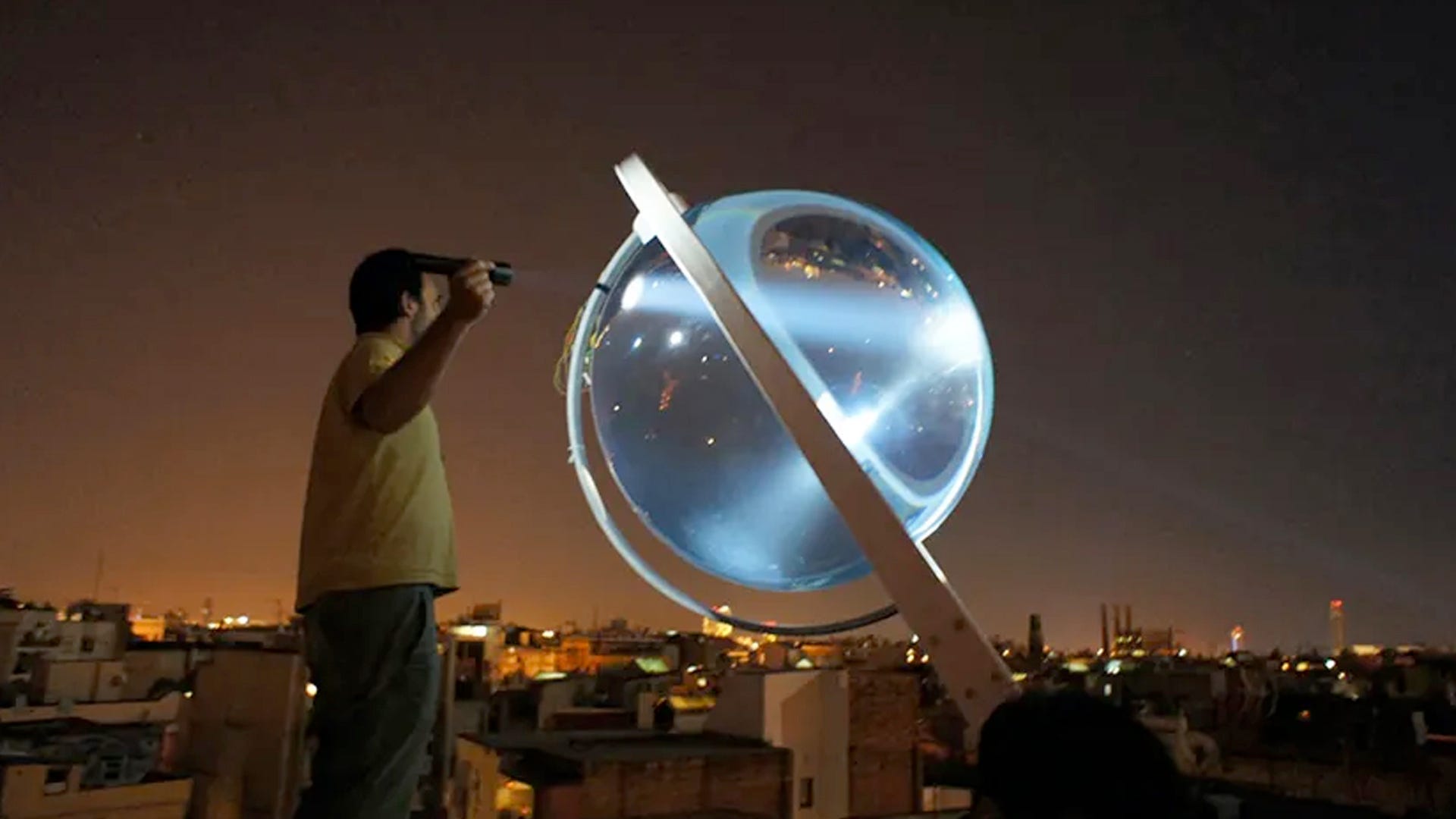
A spherical glass lens called Rawlemon concentrates light up to 10,000x more than flat panels, tracking the sun and even magnifying faint moonlight onto high-efficiency cells. The result: up to 35% better performance than standard solar panels, plus usable energy on cloudy days and at night.
This turns the sky into something you can squeeze, not just sit under. Energy infrastructure starts looking like art – an architectural crystal ball that quietly pays the bills. It speaks to a desire to make climate care feel beautiful and low-effort, where “doing the right thing” is as simple as enjoying the view.
2. 3D Printing Human Muscle in Microgravity
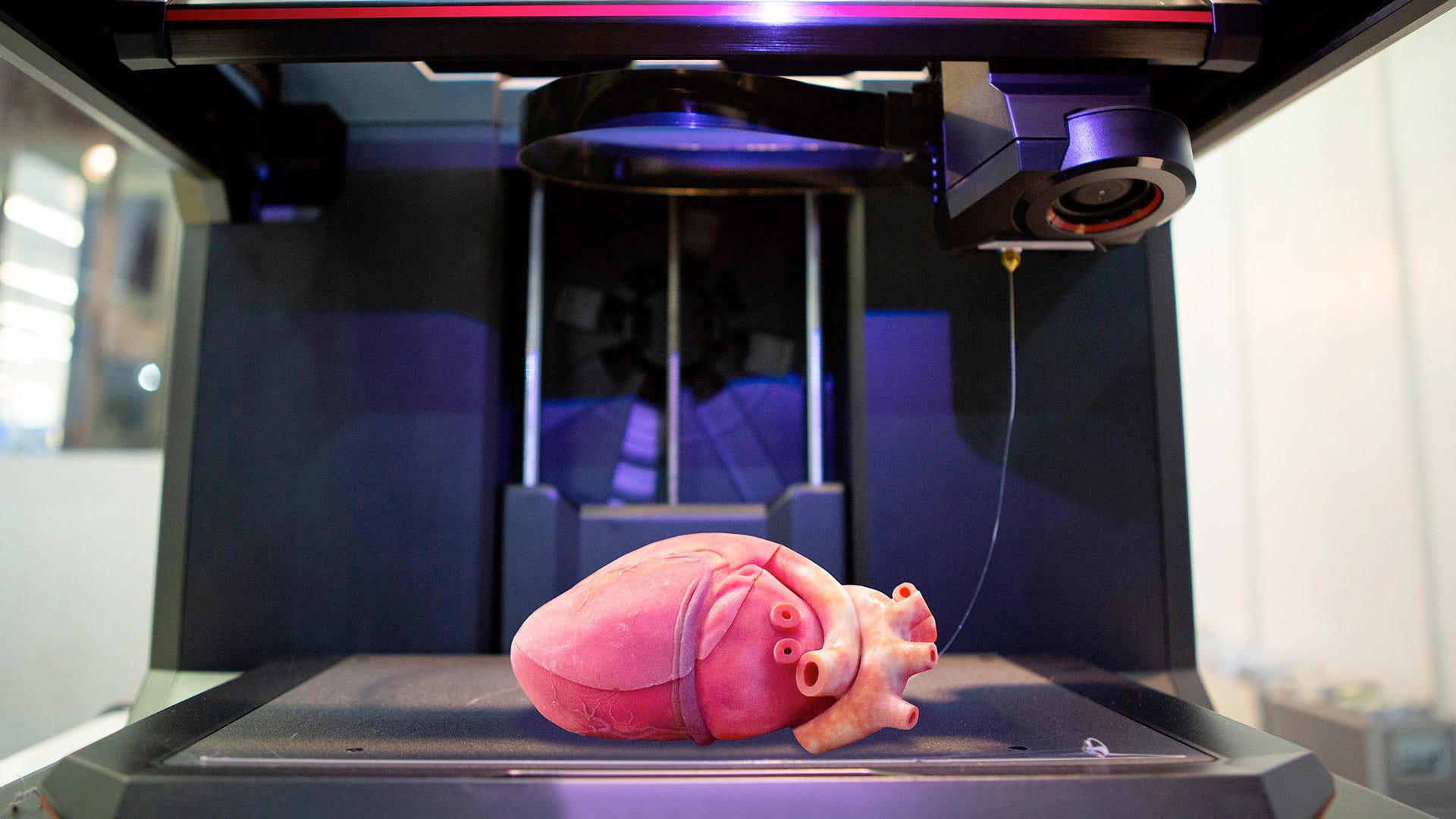
ETH Zurich researchers have 3D-printed human muscle tissue during parabolic flights using a system called G-FLight, which forms viable muscle constructs in seconds in microgravity. The tissue printed in weightlessness matches the quality of samples made on Earth and opens the door to printing more complex organoids in orbit.
Space becomes a bio-workshop, not just a backdrop for rockets. Organs shift from “rare donor gift” to “something we might one day manufacture above our heads”. It nudges expectations around ageing and illness: if organs can be printed, people will look for brands that treat repair and regeneration as standard, not science fiction.
3. Iceland’s Carbon-Negative Power Plant
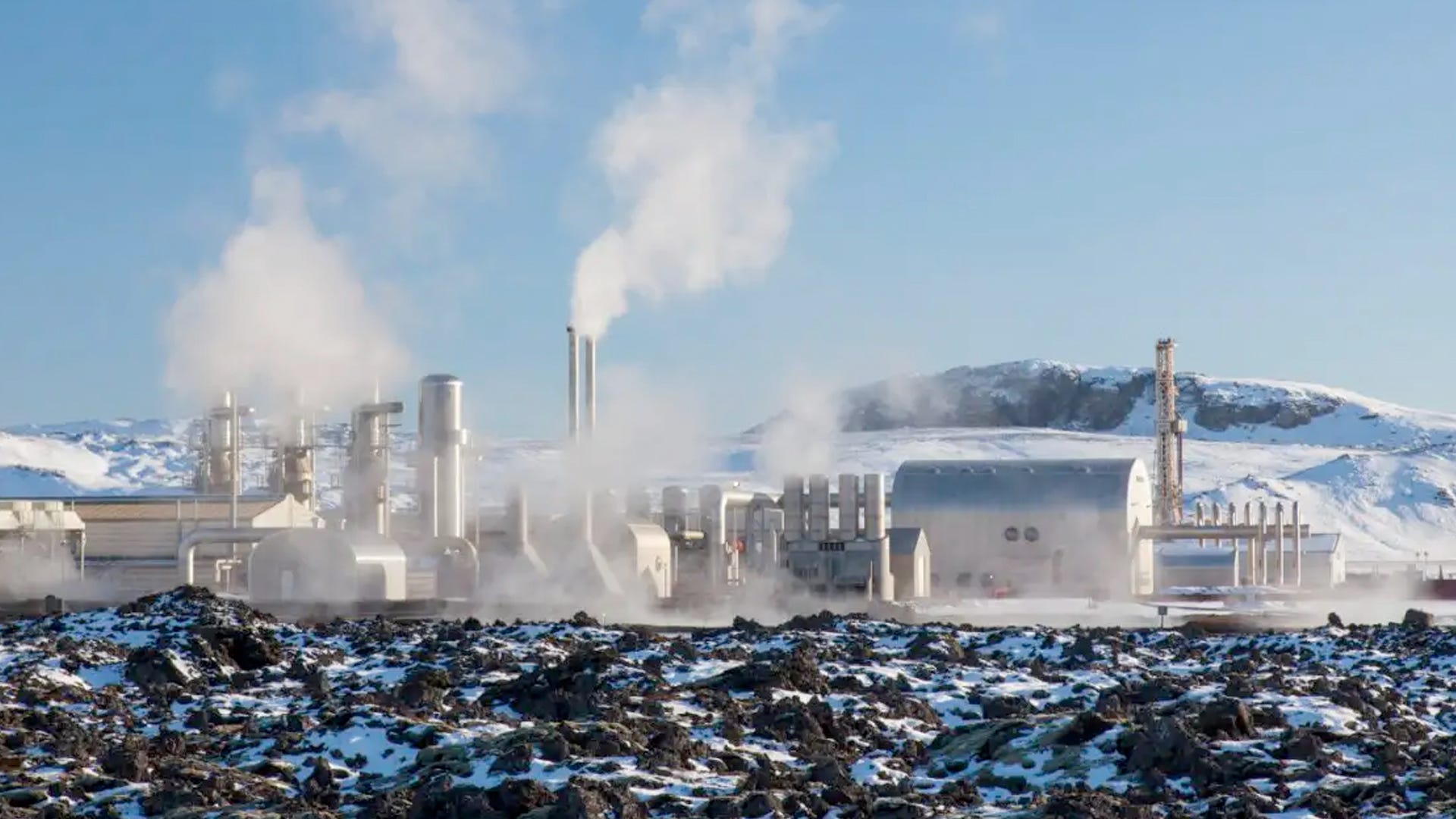
In Iceland, a new facility uses direct air capture to pull CO₂ from the atmosphere, bind it with local volcanic rock and lock it away as solid stone. The plant is designed to remove more carbon than it emits, aiming to act like a giant atmospheric eraser rather than a polluter.
Here, a power station behaves more like a vacuum cleaner for the sky. Climate action shifts from “do less harm” to “actively undo the mess”. That raises the bar for every other sector: neutrality starts to feel lazy when people know reversal is technically possible.
4. Robots Performing Surgery on an Egg
Surgical robots have reached the point where they can operate on an egg yolk without cracking the shell, then reseal it cleanly. The same level of control is already migrating into human medicine, from eye procedures to intricate heart surgery.
This is the fantasy of the perfect steady hand, upgraded. The emotional centre of surgery moves from the hero surgeon to the system behind the instruments. Patients will expect interventions that are not just successful, but almost impossibly gentle – and they’ll want someone to own responsibility when machines are this involved.
Across all four, the same promise emerges: ultra-fine control over big, messy systems. We’re learning to nudge the sky’s carbon, the moon’s light, the fibres of muscle and the membrane of an egg without shattering anything.
Brands that thrive here will lean into “soft power tech” – precise, self-explaining tools that repair and enhance without drama. Give people proof that the touch is gentle, the impact is real, and the choice to opt in or out stays firmly in their hands.