

The Oscars Turned into a KPop Fest
But the moment says more about culture right now than it first appears.

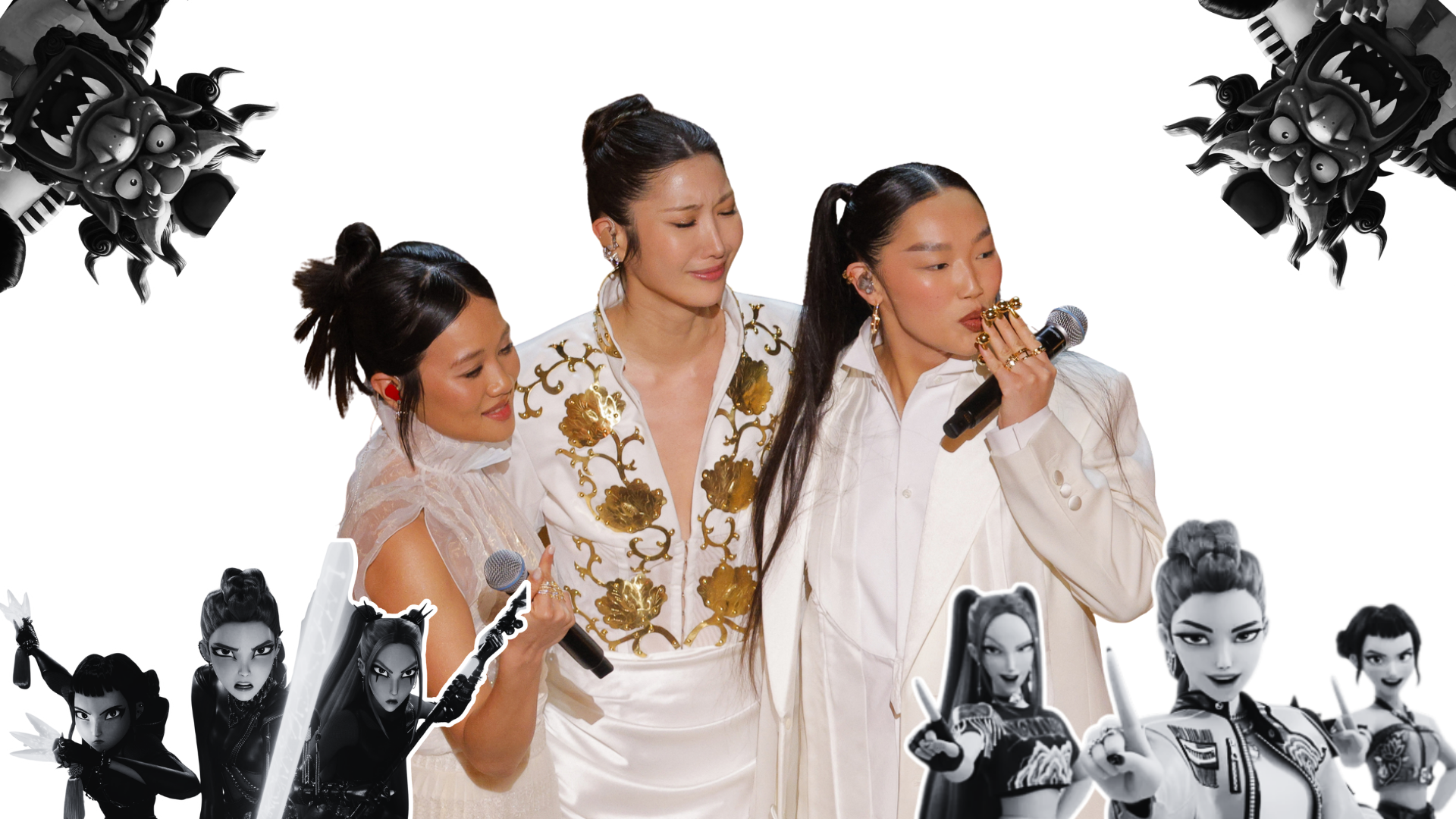
For the last twenty years, liking KPop in the wrong company meant defending yourself at parties.
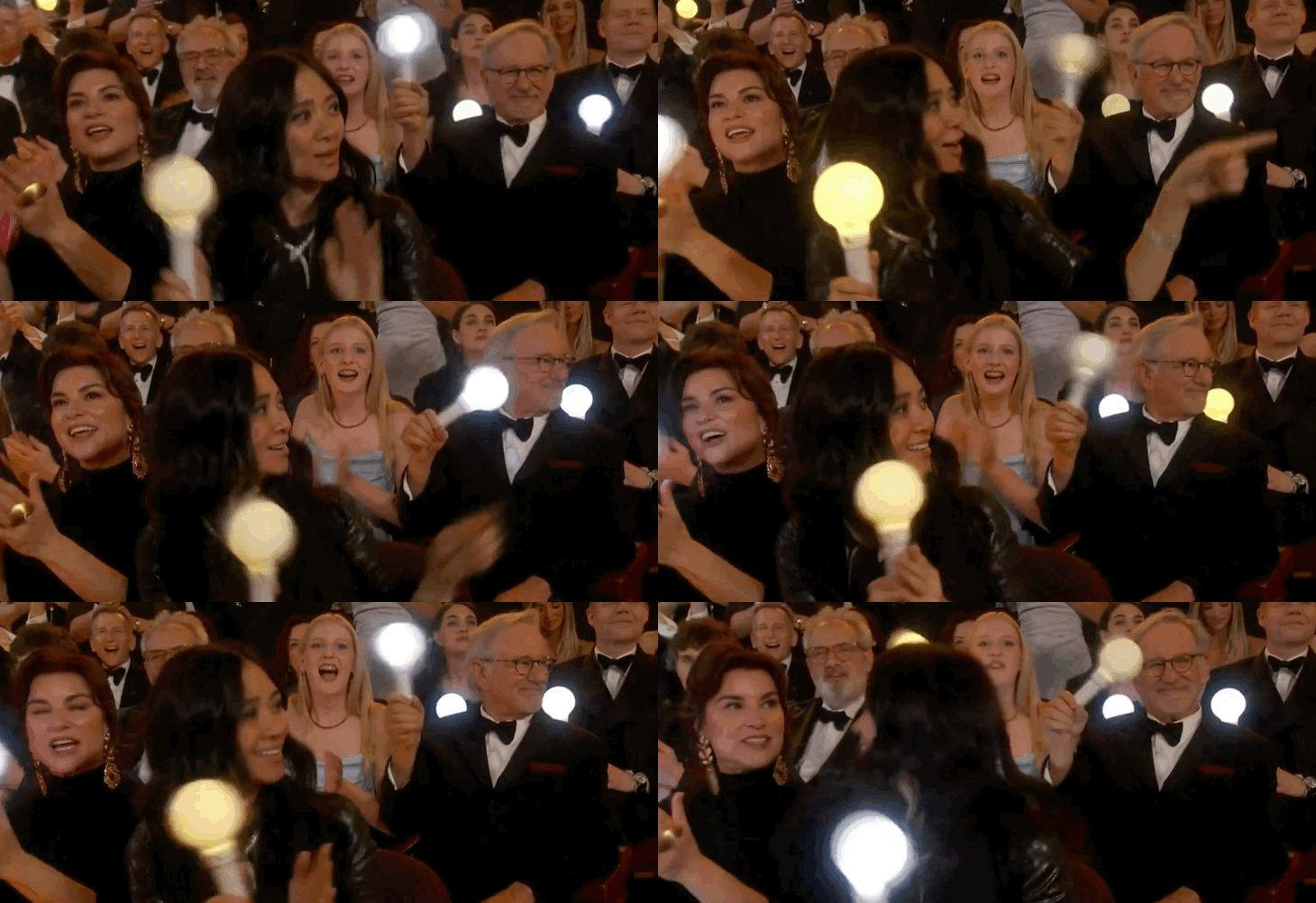
Now it's won the Oscar for Best Original Song. The film, KPop Demon Hunters, follows a fictional girl group (HUNTR/X) who fight demons between world tours and it's Netflix's most-watched title of all time. Before their big performance at the Dolby Theater, the audience was given KPop lightsticks and asked to show their support with a wave. And wave they did. The whole place basically turned into one big KPop fest.
When the envelope was finally opened and the big win revealed, EJAE (one of the songwriters and the singing voice behind animated demon-hunter Rumi) stood at the winner’s podium and said:
“Growing up, people made fun of me for liking KPop. But now everyone’s singing our song. And all the Korean lyrics.”
What was once something pretty niche and a fairly cringe (built by devoted fans who loved it anyway) just walked into Hollywood’s biggest room and the room waved its lightsticks back.
But there's something larger sitting underneath this moment. We’re living through this strange kind of reality fatigue. The news feed feels increasingly difficult to trust. The images we see may or may not have been made by a human being. The institutions we believed to be solid are crumbling.
And into that uncertainty pours an endless flood of content generated, optimised, frictionless and almost completely forgettable. Scroll, next. Scroll, next. When everything starts to look and feel synthetic, something shifts in people. They don't retreat from worlds. They go looking for ones with better rules. Ones that are vivid enough to be worth believing in. Ones built by people who cared more than they needed to, about something specific enough to belong to.
I call this WonderWorlds. It’s one of 8 Pleasure Codes I track to understand what’s moving beneath all the trend hype, and the Oscar win is just another signal of how hard it’s moving. Because this is what happens when a world is built completely enough: wonder becomes contagious. And the people who were laughed at for believing in it get to stand on the biggest stage in the world while the audience waves its lightsticks back.
This edition maps four of WonderWorlds’ currents onto the brand moves and cultural observations that recently caught my eye.
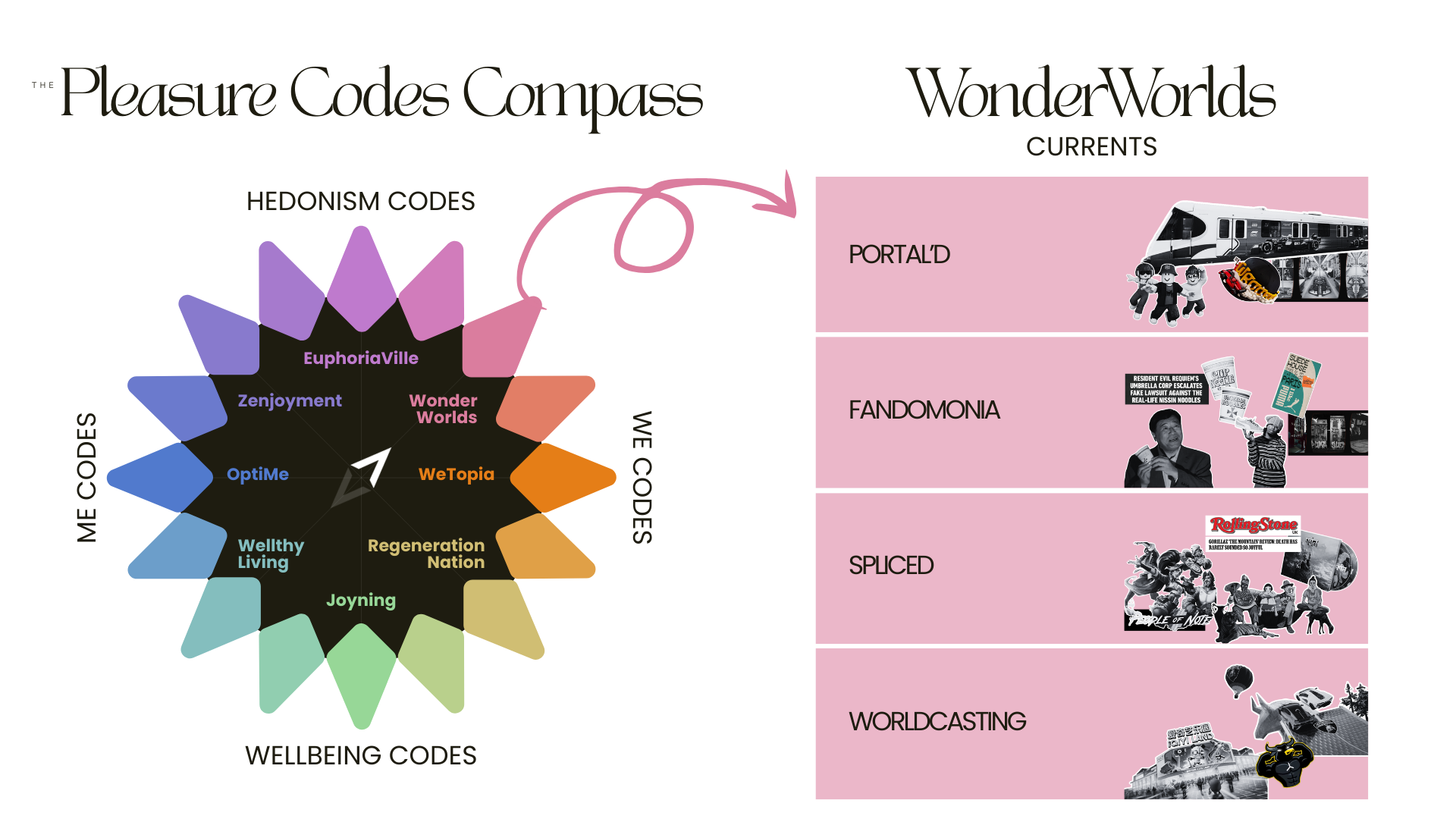
Think of this as a field guide to the art of building worlds people actually want to spend time in.
Portal’d
The jolt of finding something genuinely alive somewhere you'd stopped looking.
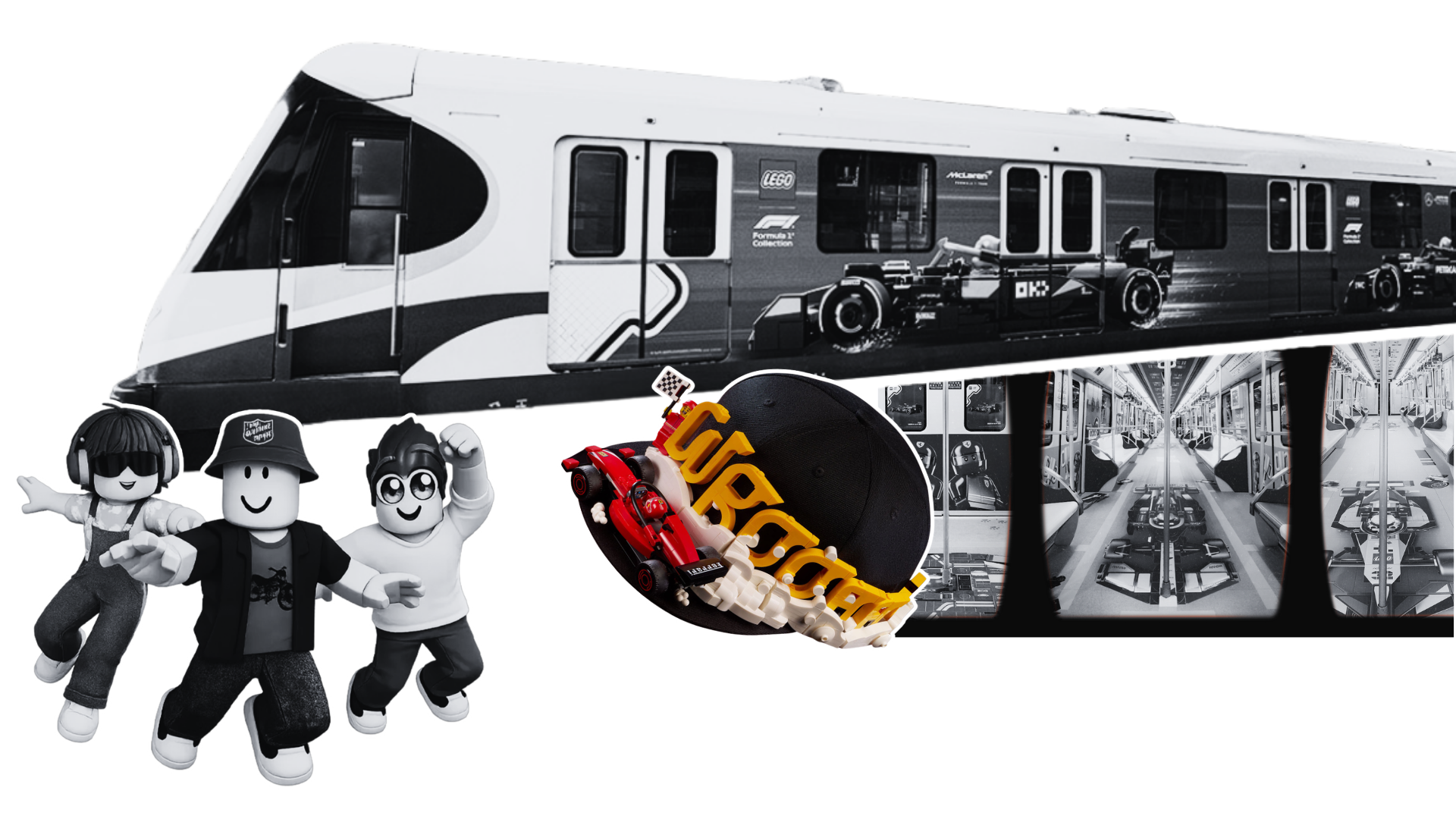
1. F1 Metro
To celebrate the return of the Chinese Grand Prix, LEGO wrapped an entire Shanghai Metro train to look like a Formula One car speeding through the city. Inside, the carriages became pit garages with more than 20 hidden Easter eggs referencing F1 culture scattered throughout: driver details, team references, things only the devoted would catch. Commuters who found and shared them online could win prizes. A daily journey to work became a treasure hunt and while nobody asked for it, everyone played.
2. Thrift Score
The Salvation Army opened Thrift Score on Roblox: a digital thrift store where players shop, donate and give back. For a generation that lives partly on Roblox, knowing the Salvation Army exists and actually caring about what it does are two very different things. Thrift Score closes that gap , meeting them where they already are and letting them practise generosity before they're old enough to do it on a high street. The brand didn't change who it is or what it stands for. It built a new entrance in a neighbourhood its future donors already call home.
Why Portal’d matters right now:
We’re drowning in noise that’s designed to travel everywhere. The brands cutting through are showing up somewhere nobody expected them to be, with something nobody asked for, and doing it with enough care that it feels like a world rather than a campaign. The question worth sitting with: where are you doing the expected when you could be doing the surprising?
Fandomonia
The delight of arriving somewhere already so loved it practically glows.
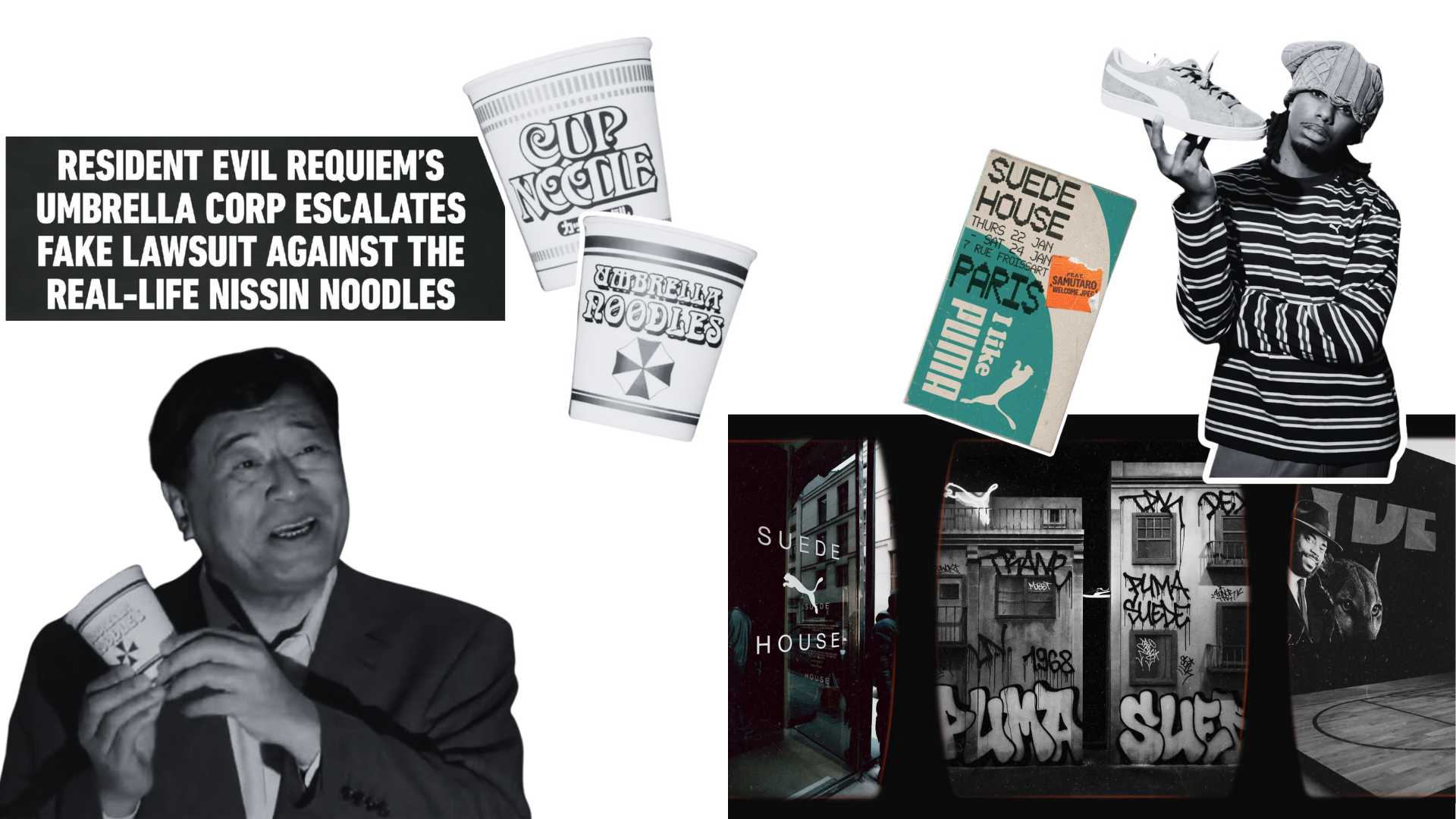
1. Fake Lawsuit
Umbrella Noodles have been a sly Resident Evil Easter egg since 2003’s Outbreak—a red-and-white instant ramen parody (nodding to real-world Cup Noodles) tucked into survival-horror kitchens and street ads in later games like the RE3 remake. It’s the exact kind of deep-cut detail hardcore fans screenshot, catalogue, and debate for years (and they have).
Days before Resident Evil Requiem’s recent launch, the official Japanese X account revived it brilliantly: Umbrella Corporation ‘filed’ a fictional copyright infringement lawsuit against real-life Nissin Foods, claiming their Cup Noodles stole the look and recipe of Umbrella Noodles.
They issued mock legal docs, demands for damages, perfectly formatted complaints and fans jumped in immediately, screenshotting everything, pulling old game refs, and spreading it like lost files from the Arklay lab. The brand escalated with over-the-top mock commercials featuring an Umbrella scientist ‘proving’ you could recreate their noodles from Nissin with added ‘herbs’ for a 99.9% match. Side effects: itchiness. Nissin even got in on the joke and issued fake counter-accusations that were absolutely on point.
What started as one post became a live-action ARG the community ran themselves. The brand just handed them the case files and stepped back.
2. Suede House
The PUMA Suede has been a legend since 1968. Born on the basketball court, adopted by Olympic athletes and B-boys, then skate kids and hip-hop crews who made it a canvas for self-expression. That history lives mostly in digital feeds today: Instagram archive dumps, rare-drop threads, collector Discords where fans geek out over signed pairs and subculture lore.
PUMA’s Suede House then materialised it. Dedicated rooms traced the timeline through multimedia projections and walls of archival models, many signed by the icons who wore them. DJs spun, lights pulsed, and the energy spilled into afterparties. The people who already live in those niche style worlds online showed up and brought friends who might never have come for "a sneaker thing." The digital passion was already there. Suede House gave it somewhere to go.
Why Fandomonia matters right now:
Both of these brands respected a world that already exists and made it more itself. Thirty years of Resident Evil lore. Fifty-seven years of Suede history. Neither needed a brief to exist. The brand's job was simply to hand the community something vivid enough to run with: a live case file and a room that felt like the inside of the thing they'd loved for years. Most brands want to mean something to their audience. These two let their audience mean something to them first. That's not a strategy. That's respect.
Spliced
The particular thrill of two worlds fusing so completely that what you're experiencing has no name yet.
1. Genre Mashups
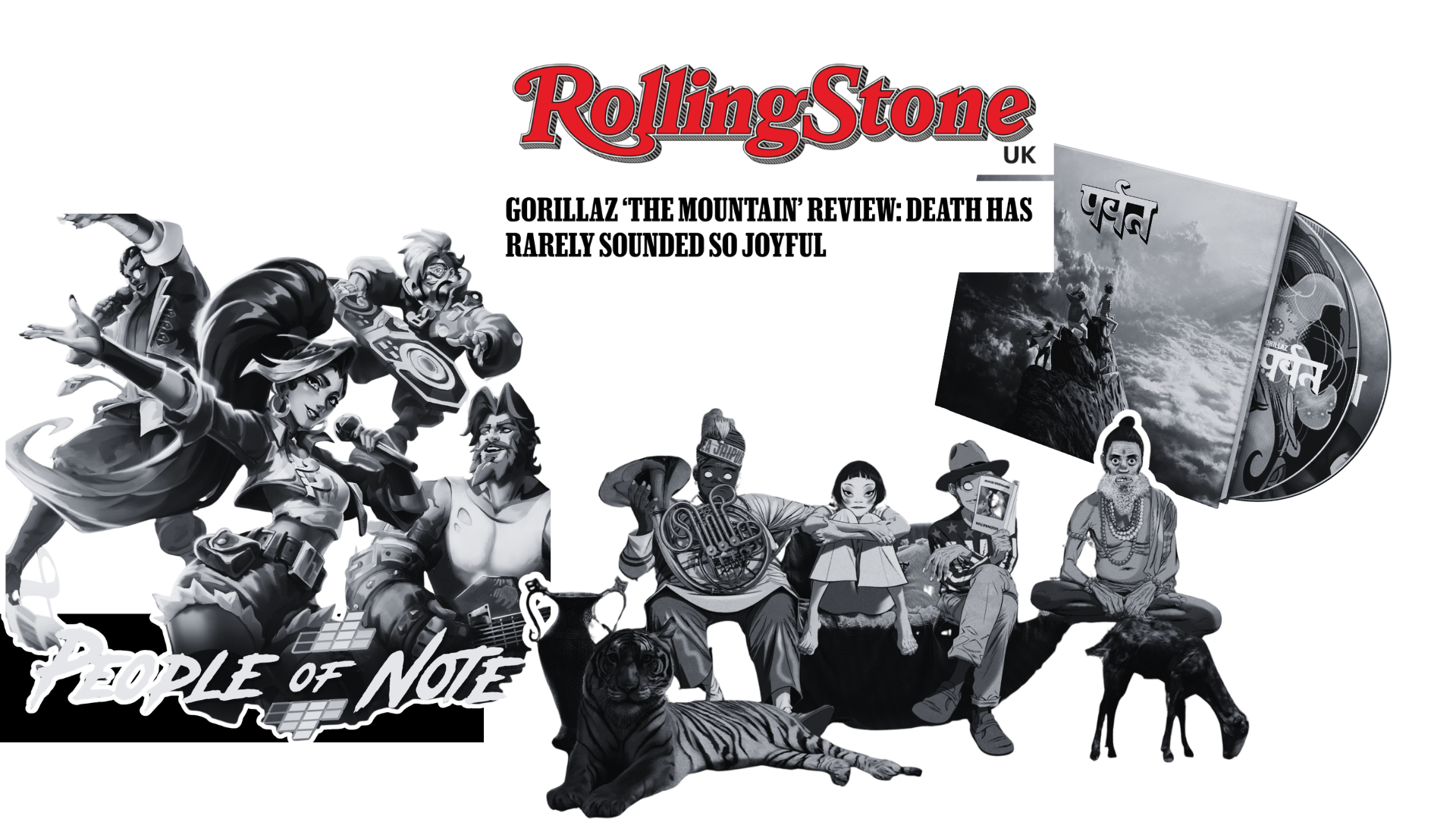
People of Note is an RPG where battles are fought through musical numbers. Players follow a singer building a band across genre borders (pop towns, rock towns, EDM territories) with combat shaped by musical timing and moves built from mash-ups. Turns become stanzas. The game works because it refuses to choose a lane. Not an RPG with a music skin on top. Not a dance off with RPG trappings. Something that requires both to function and falls apart without either. The people playing it aren’t just winning. They’re performing. And for three minutes, the world they're inside is completely real.
2. The Mountain
For twenty-five years the band Gorillaz have used animation as a shield. Their latest album, The Mountain, dropped it. It's about grief, death and the afterlife, created while both Damon Albarn and Jamie Hewlett were processing the loss of their fathers. They launched it with an eight-minute hand-drawn animated film: painstakingly traditional 2D animation with painted backgrounds, visible pencil lines and deliberate film grain, evoking 1960s Disney at a moment when AI-generated imagery is everywhere.
They wove in posthumous vocal performances from collaborators who had died (Bobby Womack, Dave Jolicoeur, Tony Allen, Mark E. Smith, Proof), so the dead could help talk about death. Then they sent fans into the streets of London to find them: four large-scale hand-painted murals by Hewlett, each one a character, each hiding a QR code, fans matched to animated alter-egos based on their listening history. The animated band bled out into the real city. The real city went looking for them back. It’s both haunting and hopeful, something that belongs to both worlds and neither at the same time.
Why Spliced matters right now:
The most interesting things happening in culture refuse to be one thing. They're complex in the way humans are complex: contradictory, layered, impossible to categorise. An algorithm wouldn't have greenlit either of these and they work precisely because they demand something from us: timing, presence, a willingness to be inside two worlds at once. The collision is what makes it real.
Worldcasting
The awe of discovering the world contains more than you thought.
1. Fast ForWorld
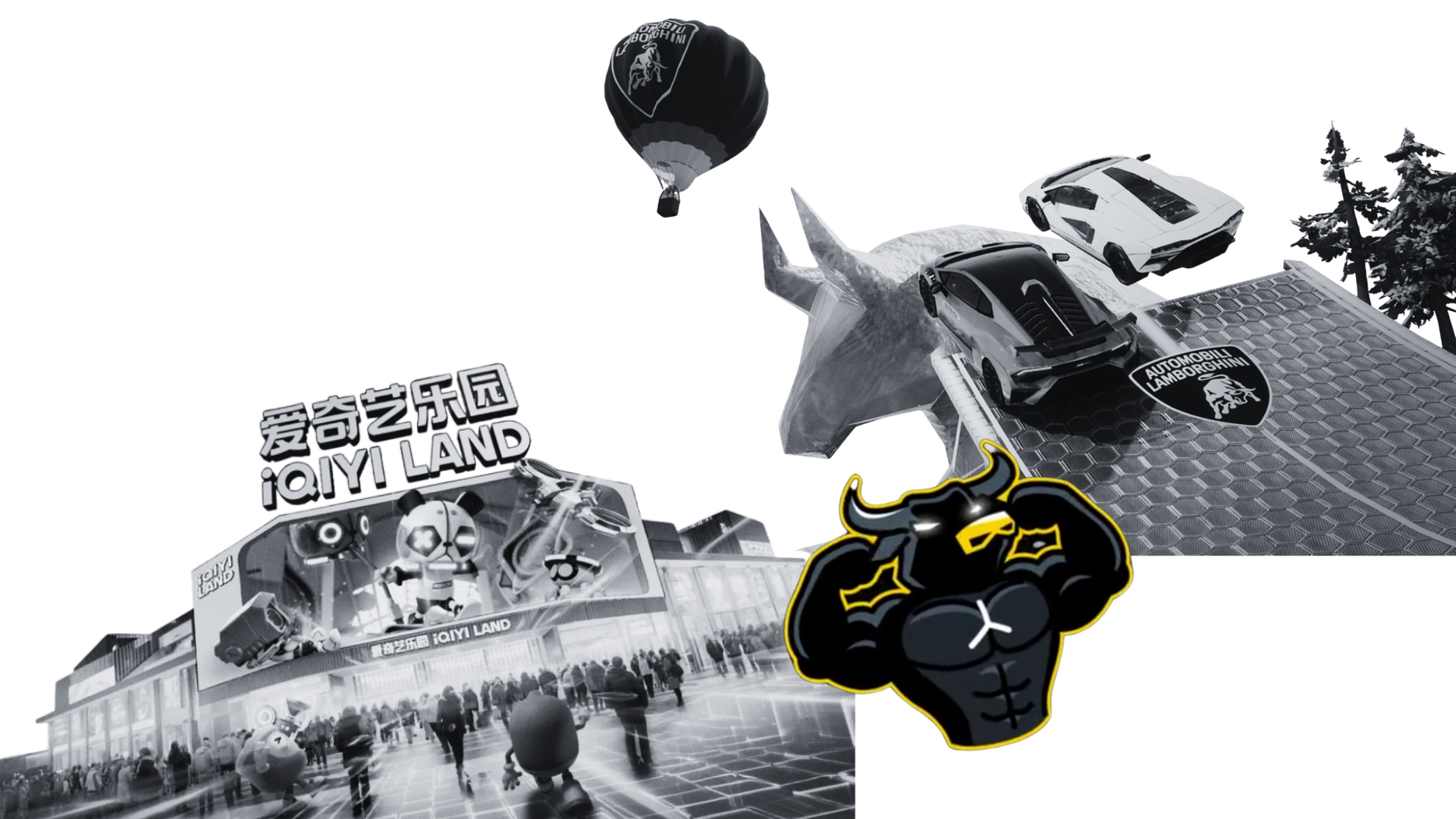
Lamborghini has never run a TV commercial. Their position has always been that their target audience isn't sitting around watching TV, and that a car this extreme doesn't need to explain itself. The world either feels it or it doesn't. So when Lamborghini launched their open-world environment inside Fortnite, shaped by the brand's design ethos, available around the clock, with no closing date, it wasn't a departure from that philosophy. It was its purest expression. The brand took its most essential quality, the feeling of radical unapologetic performance, and gave it a permanent digital postcode.
2. iQIYI LAND
iQIYI is China's answer to Netflix and home to some of the most-watched dramas on earth. Now they've taken those worlds off the screen and launched them in iQIYI LAND. The place where they turn their biggest hits into physical spaces you can walk through. Stroll the mansion from The Knockout. Chase human-faced eagle monsters on a VR motion platform through Strange Tales of Tang Dynasty, complete with scent, wind and live actors. There are seven zones in total, blending VR, AI, projections and real performers until the screen stories feel solid under your feet.
This permanent address for the brand will be open tomorrow and next month and next year, with new IP cycling in as the hits change but the destination staying fixed. In a country where Chinese dramas already command billion-view online fandoms, iQIYI just gave those fans a physical postcode for the worlds they've been living in through their phones.
Why Worldcasting matters right now:
Most brands describe what they stand for, but it's probably gathering dust inside a mantra or a brand essence video. Or it looks and sounds exactly the same as their competition. These two did something different. They built worlds with enough dimension that you can only understand them by moving through them. And when you do — when a story you streamed becomes a room you can stand inside, when the performance DNA of a car becomes a world you can race through at midnight — something shifts. You stop evaluating the brand. You start believing in their world. And that belief is what people are hungry for right now.
The Wider View
Pull back from all four currents and ask the bigger question. Why now? Why does this feel more urgent than it did five years ago, ten years ago?
The honest answer is that it was always urgent. We are not a transactional species. We are a mythological one. We look at the night sky and see stories. We turned metal and steam into flying machines because we believed we belonged in the clouds. We’ve been building worlds (in painting, music, religion, sport, and brand) since before we had words for any of it.
The hunger for new worlds filled with possibility isn’t a cultural moment. It’s a condition of being human.
What's changed is the resistance. Adult life pushes in the opposite direction: toward certainty, toward the managed, toward the conviction that we know what’s possible and what isn’t. Now add an endless flood of content engineered to confirm that narrowing. Add institutions that no longer feel solid. Add a reality that’s increasingly difficult to trust. And the hunger for somewhere real, and something specific enough to belong to, becomes acute.
The girl who was laughed at for liking KPop just stood on one of the biggest stages in the entertainment world and the room waved its lightsticks back.
Wonder builds. And the room always catches up.
What world are you building that someone else needs to believe in?
Angelique (wondering ‘what if?’, since 1968)
Also On My Radar:
Boxed Legends: Ailias ships life-size hologram avatars of famous figures you can actually hold a conversation with → Smell Memories: MIT’s device turns an archival photo caption into a custom fragrance → Anime Tutors: Japan’s online cram school where every teacher is a VTuber → Destination Bottles: airport-exclusive spirits tied to the city you’re flying from → Boss On Call: Burger King’s president just shared his personal phone number with customers
Dig deeper on these and thousands more signals over here.
PS: Spotted something that belongs in a future Pleasure Codes edition? Email me back. The more beyond hype the better.