

A Fortune Teller’s Confession
Or, why I'm opening a booth that should make you suspicious

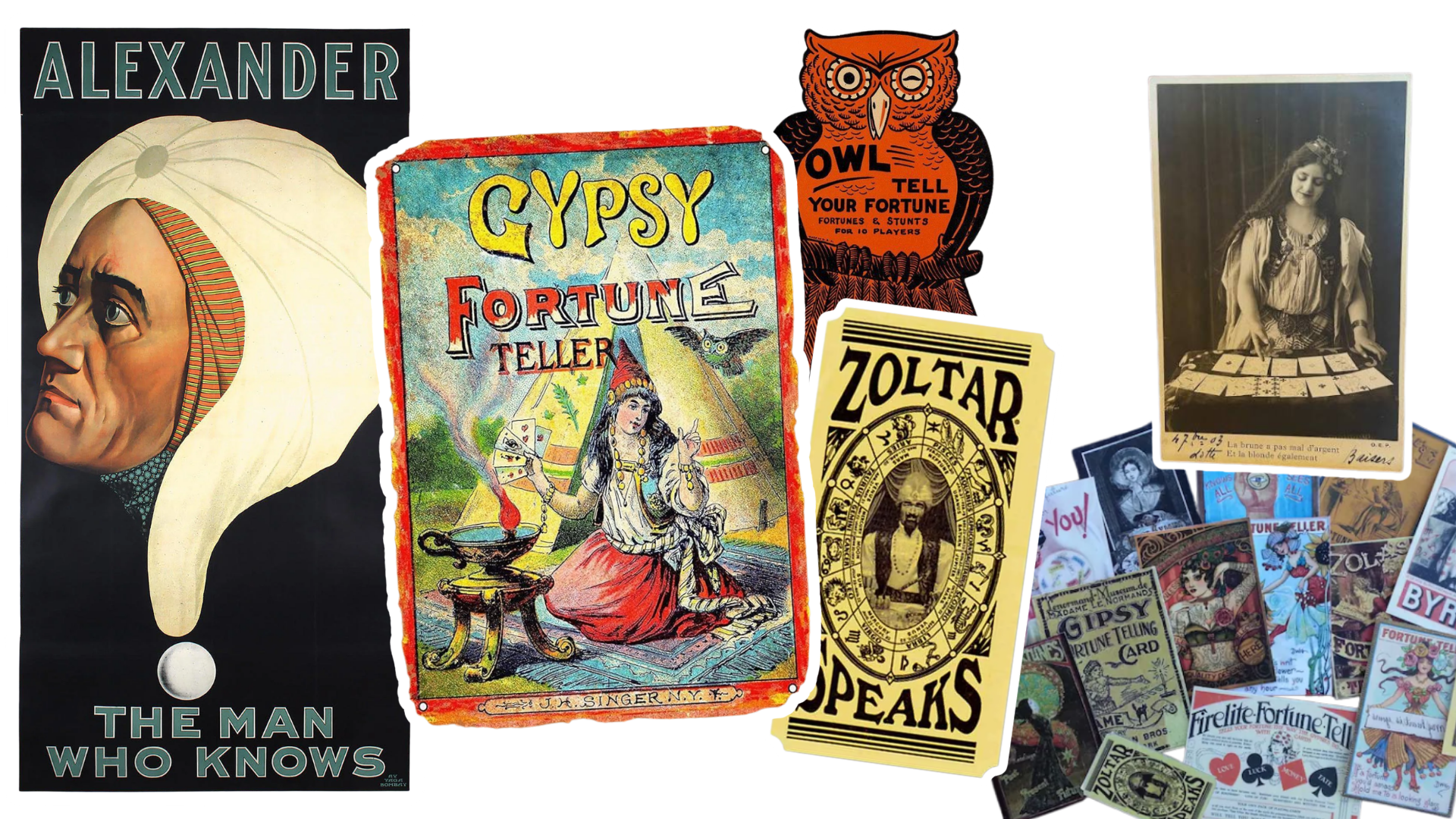
A few weeks ago a man I’ve never met sent me a question about his brand that I won’t repeat here, partly to protect him and partly because you wouldn’t believe me. It arrived the way these things now arrive, with no introduction or context. Not even a Dear Angelique. Just the question itself, dropped into my DMs like a palm thrust across a card table.
He wanted to know whether the thing he was about to do was a good idea. He wanted, in a word, permission.
I, of course, answered him at length, with great enthusiasm. And when I’d finished, I sat back from the keyboard with the warm, spreading, faintly disreputable satisfaction of a woman who has just been consulted.
That’s the confession. Not that I answered this man. Answering questions is virtuous enough work. The confession is that I enjoyed it in precisely the wrong way.
Because there’s a particular pleasure in being treated as an oracle, but if I’m being honest with myself and with you, it’s the pleasure of being necessary, which is a far more dangerous thing than being useful. The supplicant kneels, the priestess pronounces, and both parties leave the temple confirmed in their roles. He in his uncertainty. She in her indispensability.
All in all, it’s a lovely arrangement for the priestess. And this is the problem. I have begun to notice how lovely, which is usually the moment to become suspicious of oneself.
The Code Trap
This happens, I am told, to anyone who builds a system of codes.
Once you’ve named the machinery behind why people buy what they buy and love what they love, people begin to suspect you can see things they can’t, and they begin to bring you things, the way villagers once brought chickens to the woman at the edge of town.
Half in earnest, at the suggestion of a friend who is a professional stuntman in the old-fashioned Barnum style, I am considering setting up a gypsy style booth at Cannes next year. Complete with a headscarf, a crystal ball, and a small hand-lettered sign that reads: BRAND READINGS, $25 Or A Glass of Rosé.
In between sessions, I would have Mr Green entertain the crowd with one of his new animatronic AI inventions. I have no doubt that we would either make a fortune or get properly sotted.
That’s not the part of this idea that worries me, though. The worrying part is that anyone who sat down at the table would leave satisfied, and almost none of them would leave any smarter, which, if you think about it, is the entire business model of fortune telling. The fortune seeker must never learn to read the cards. The moment he or she does, the booth closes.
Most advice in my industry is built on the fortune teller’s model with slicker tailoring. At the end of the day, isn’t that what a consultant’s deck, or a guru’s framework, or an agency’s proprietary process is trying to tell you? Each one is a temple designed so that the answers live inside and you must keep coming back through the door. Admittedly, I’ve sat inside some of the world’s largest temples and have, if I’m being completely candid, helped decorate one or two.
So here’s what I’ve decided to do about it, and I’ll let you judge whether it’s a correction or merely a more elaborate booth.
Know Thyself
The inscription on top of the temple where the Oracle at Delphi prophesied said: “Know Thyself.” This is why Socrates was both thrilled and disturbed when the Oracle told someone that he was the wisest person on earth. He immediately set out on a tour to try and prove the Oracle wrong.
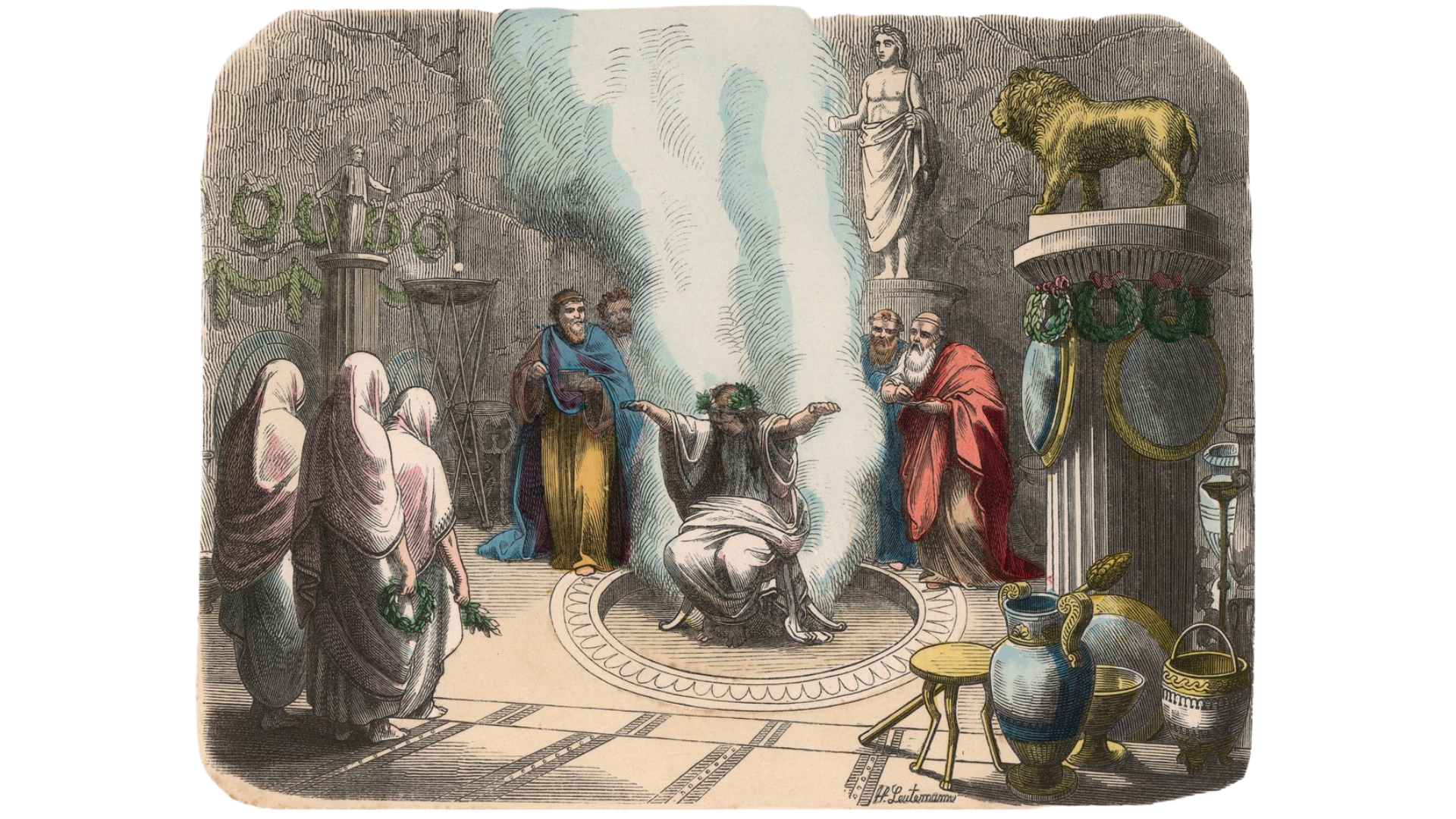
To do so, he started asking his friends and anyone he could meet question after question after question in search of the truth. What he soon discovered was that nobody seemed to know anything about anything. Including himself. But at least he knew that he didn’t know anything. And that’s what the Oracle must have meant when it said he was the wisest person of all.
I know that this is a strange way to announce something, but this is why I have decided to start a new series on LinkedIn called The Green Light.
The reason is to address these questions people send me about their brands. The strange ones. The sincere ones. The questions they wouldn’t dare to ask in a meeting with their own agency in the room. And I’ll answer them in public, using the Pleasure Codes, showing every card as I turn it.
The name is a small act of misdirection.
It’s partly named after me, partly named after the hopeful Green Light in The Great Gatsby, and partly referring to the concept of approving something to move forward. Only, in the spirit of knowing thyself, it is not about me actually giving anyone the Green Light.
That would imply that I sit somewhere in judgment, switching a light from red to green while brand leaders idle at the intersection. But this is not my aim, and if it ever comes across that way I hope one of you will write in and say so.
What I hope will happen is what I’ve seen happen, over and over, to the people who learn the codes. It’s something quite strange and particularly useful: they begin to see them everywhere. In the airport or supermarket or even in the headline news. And a person who can see the machinery no longer needs the mechanic’s permission. So the purpose of answering the question in public is less about issuing my verdict and more about making you gradually, irreversibly capable of your own. At which point the light was never mine to switch. You had your hand on it the whole time. I simply charge the admission of a subscribe button to point it out.
Whether that puts me out of the oracle business or makes me more like Socrates is a question I have decided not to examine too closely, on the grounds that a woman shouldn’t perform surgery on the goose while it is laying.
The first issue goes out tomorrow and it concerns a letter I received from a gentleman who was at great pains to assure me he is not Sam Altman. He wanted to know why people are afraid of his miracle. It’s a better question than he knows, and I intend to answer it more thoroughly than he would like.
You can subscribe here.
And if you have a question of your own, the weirder the better, send it my way. I'll endeavour to answer it as honestly as I know how. But the most interesting part probably won't be my answer. It'll be the fact that you asked.
Because people don't usually make the journey to the woman at the edge of town until some part of them already suspects where the truth lives.
— Angelique
PS: Look out for my latest Trend Safari this Thursday and a new series on the Eight Virtues is coming shortly after that.